Our vacation was filled with much fun and celebration, and probably a few too many rum punches. If anything can be described as bright and beautiful, Belize is it. The colors and warmth of Belize contrast sharply with the cold dreariness that continues to envelope us in the Northeast.
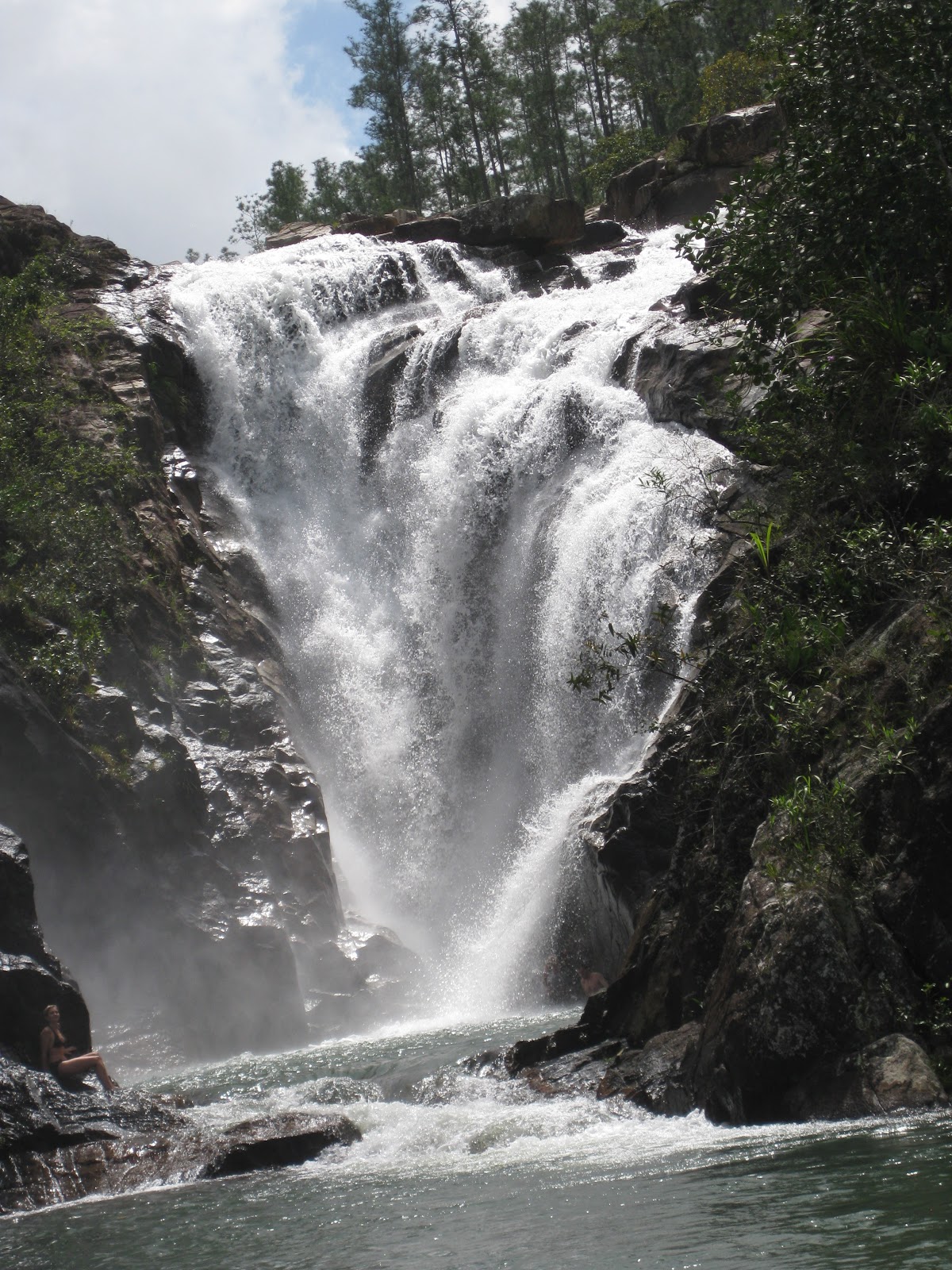
Belize is a small country, roughly the size of Massachusetts in area with only 350,000 residents. We were able to enjoy spending time in two very different ecosystems, the pine forests and the beach. Tropical rainforests, dry tropical forest, and lowland savannahs are also part of Belize's ecology. The people of Belize vary just as much as the landscape. There are sizeable Creole (distinct from the French Creole that we know of here) and Mayan populations, along with a large Mestizo population. People were proud of their ancestry and described in great detail their ethnic heritage. The official language is English, thanks to British imperialism (Belize only became fully independent in 1981) and we discovered that some locals don't consider Belize to be part of Central America because Spanish is not the primary language.
Belizeans seem to live simple yet fulfilling lives. Many of their homes seem to be built by their own hands; simple structures built on stilts, containing one or two rooms for a half dozen people. Cooking and much of the daily activity can occur outside thanks to the warm, sunny weather. People got to work by bus, carpooling, horseback, walking or riding a bicycle.
 The wealth of knowledge of all the Belizeans we met astonished me. While school is mandatory until age 16 (like it is in the States), every Belizean I spoke with regaled us with information about the Mayan ruins, the seasonal and annual weather patterns, the political history of the country, the natural history of the area. It was like speaking with a cultural anthropologist, historian, sociologist, archaeologist, ecologist, marine biologist, speleologist and meteorologist all at once. Because Belizeans don't hold material goods in such high regard, and because their survival is more tightly connected with the land and interpersonal relationships, learning about their environment and their own history is a necessary part of their lives. As mentioned elsewhere in this blog, such knowledge is lost upon us as middle-class, materialistic, Americans. We depend on the nuclear family, not the community to help us in times of need or to share in our joys. We look to specialists to give us the information, and thus we don't take the time to learn it ourselves. We think that the more stuff we have, the better off we are, paying little regard to the relationships we form with each other and with our land. Ultimately, what does this mean for us as a people, and a culture? We may be rich in "stuff", but in the long run, how far is that going to get us?
